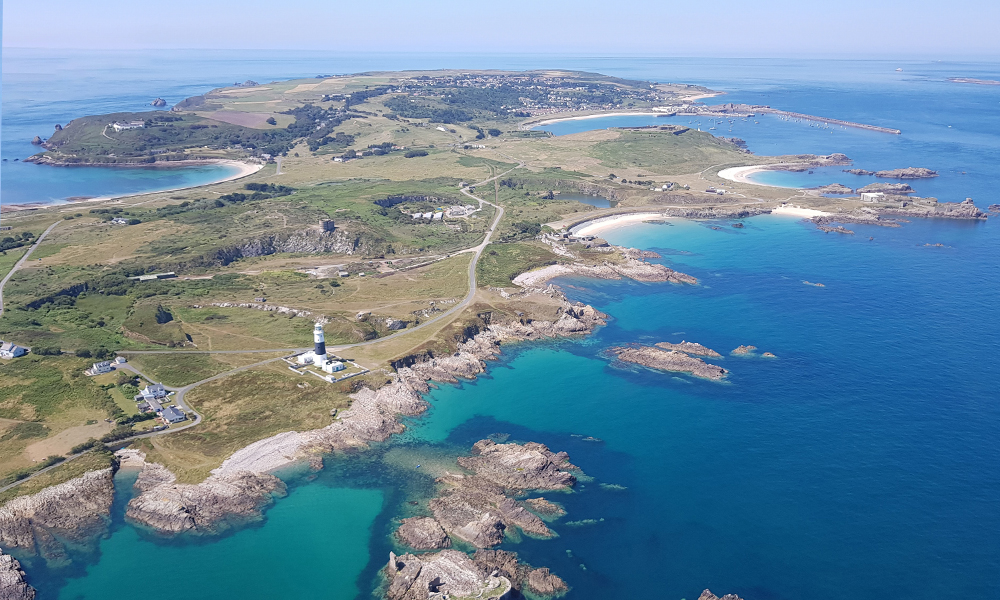
A Tiny Island with a Remarkable Past: Discover Alderney’s Heritage
Discover Alderney’s Rich History and Heritage
From ancient burial chambers and Roman ruins to Victorian fortifications and the lasting legacy of the Second World War, discover the stories that have shaped Alderney.
Alderney may be small, but its history is anything but. Scattered across its dramatic coastline, tucked into peaceful valleys and standing proudly above the sea, the island’s heritage sites tell a remarkable story of settlement, survival, ingenuity and change.
Here, thousands of years of history are waiting to be discovered. You can stand among the remains of a Roman fort, explore the island’s Victorian defences, uncover traces of its wartime occupation or wander through the streets of St Anne and discover the people and traditions that make Alderney unique.
Best of all, history is never far away. On Alderney, exploring the past is as much about the journey as the destination.
Step Back Thousands of Years
Long before the forts and bunkers that define much of Alderney’s landscape today, the island was home to prehistoric communities whose presence can still be seen.
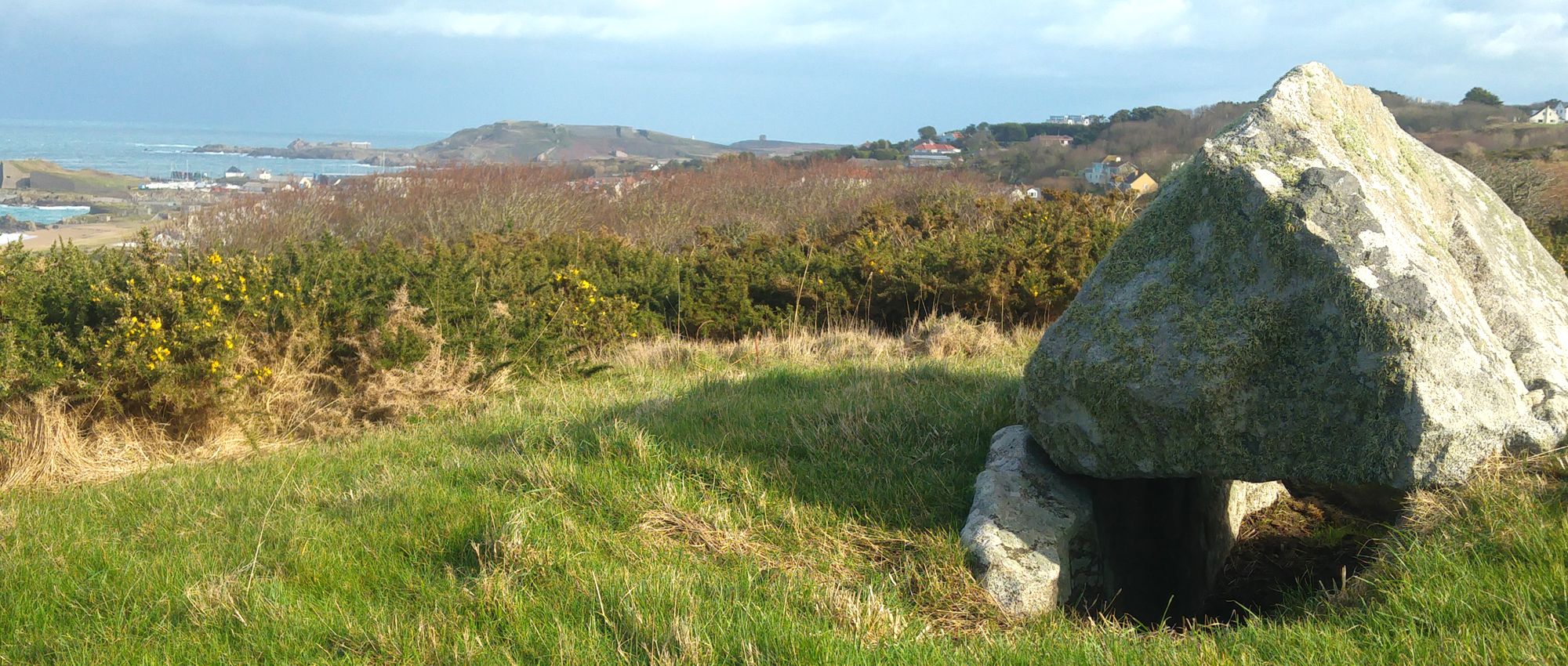
Near Fort Tourgis lies Roc à l’Épine, an ancient burial chamber dating back approximately 4,000 years. On Longis Common, the remains of an Iron Age site offer another glimpse into the lives of the island’s earliest inhabitants.
These quiet places invite you to slow down, look a little closer and imagine what life might have been like on Alderney thousands of years ago.
Discover: Roc à l’Épine and the Iron Age Site.
Discover Alderney’s Roman Story
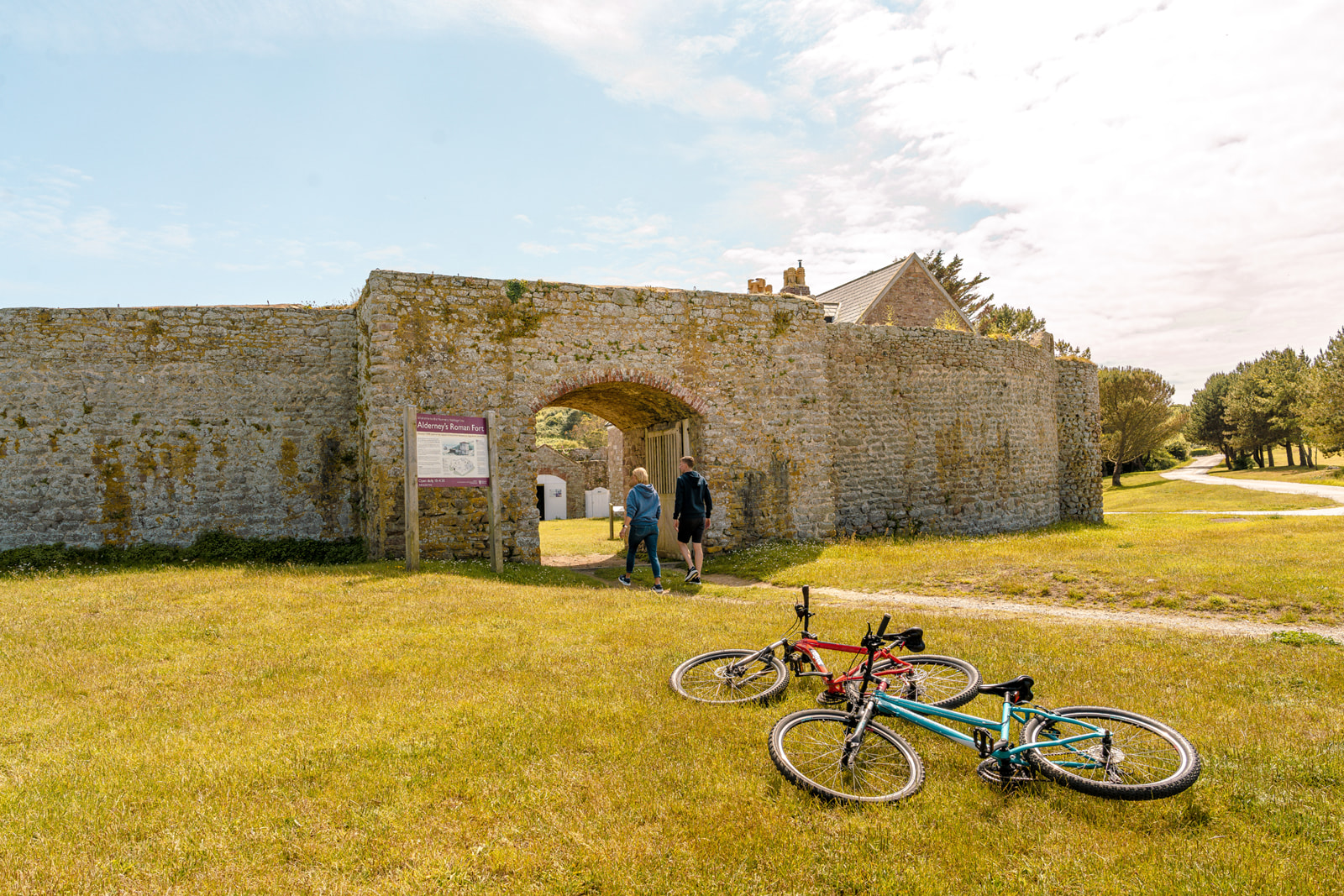
One of the island’s most fascinating historic landmarks is the Roman Fort, commonly known as The Nunnery, overlooking Longis Bay.
Dating from the fourth century AD, this remarkable site is considered one of the best-preserved small Roman forts in Western Europe. Its stone walls offer a glimpse into Alderney’s strategic importance, guarding an anchorage and settlement that connected the island to the wider Roman world.
What makes the site particularly special is its layered history. Over the centuries, the fortifications were adapted and reused, including during later periods of military occupation.
It is a striking reminder that Alderney’s past is not confined to a single era, but built up through generations.
Discover: The Roman Fort at The Nunnery.
Explore the Age of Victorian Fortifications
During the nineteenth century, Alderney underwent a remarkable transformation. Concerned about French military expansion and the strategic importance of the English Channel, the British embarked on an ambitious programme of fortification.
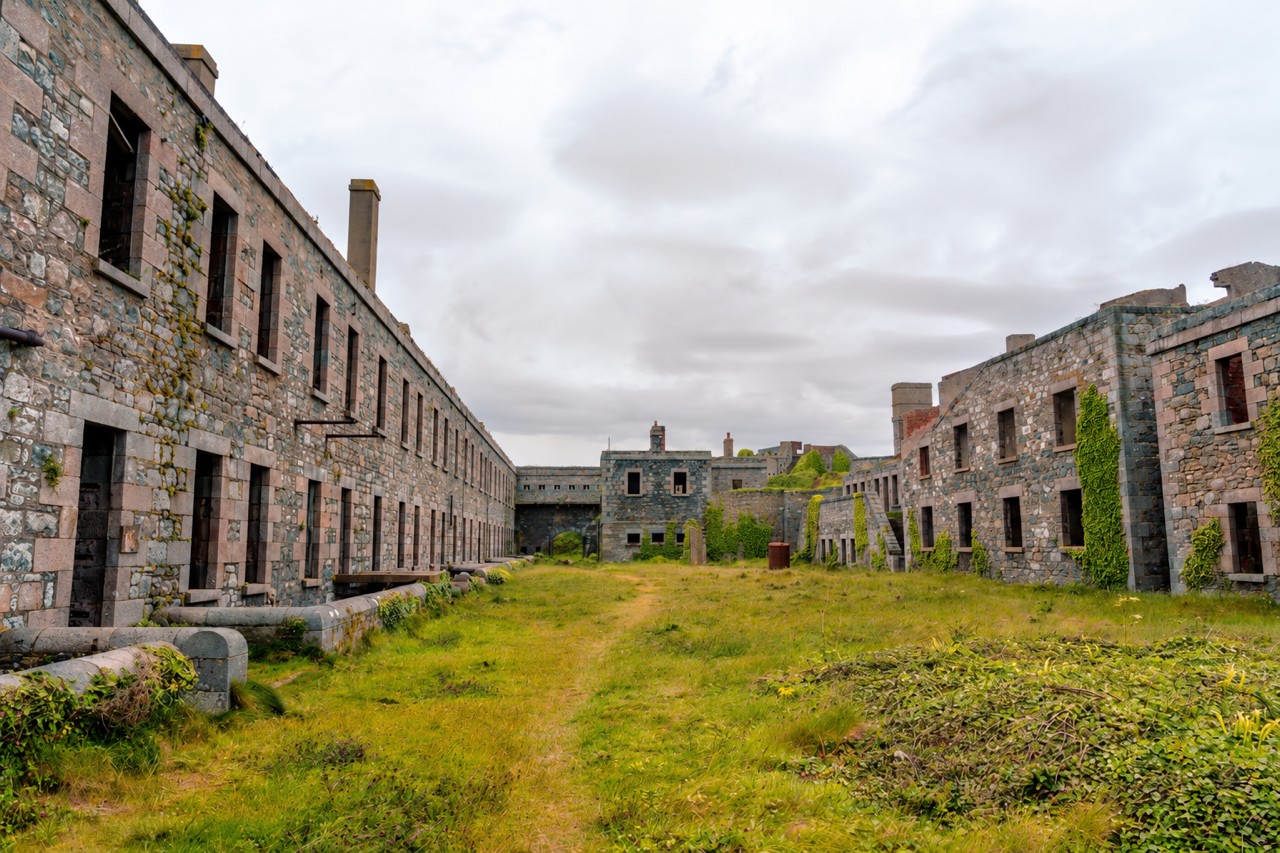
Forts and gun batteries were built around the coastline, alongside the enormous harbour breakwater intended to provide shelter for a British fleet.
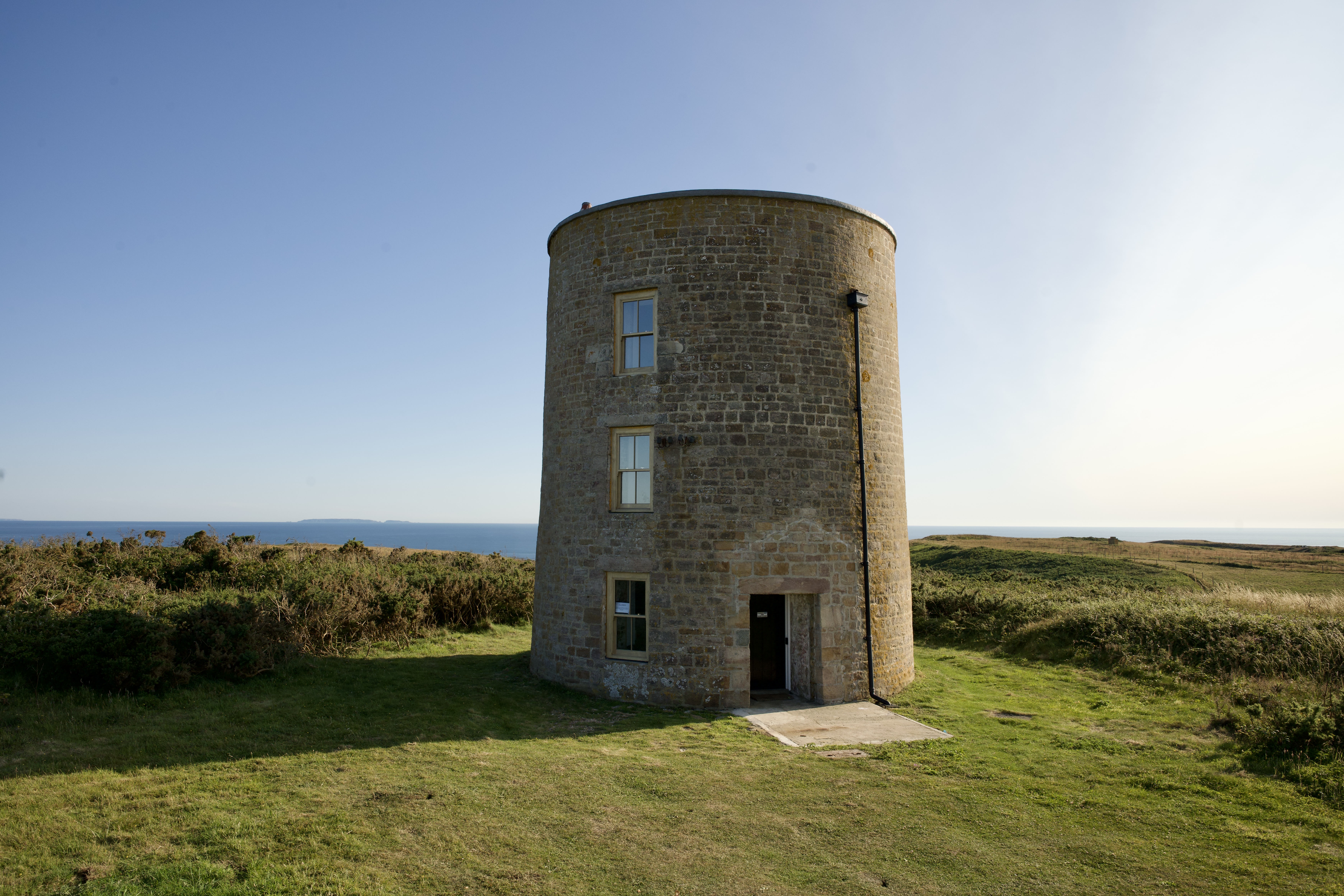
Today, these imposing structures remain among the island’s most distinctive landmarks. Visit Fort Tourgis to appreciate the scale of the Victorian defences, or seek out Telegraph Tower, built in 1809 as part of an early semaphore signalling system used to communicate information about French shipping.
With sweeping sea views and rugged coastal paths, these sites combine fascinating history with some of Alderney’s most memorable scenery.
Discover: Fort Tourgis, Telegraph Tower and Alderney’s Victorian fortifications.
Understand Alderney’s Second World War Occupation
Alderney’s history took a profoundly different turn during the Second World War. Following the evacuation of most of the island’s population in June 1940, German forces occupied Alderney and transformed it into a heavily fortified part of the Atlantic Wall.
Bunkers, tunnels and defensive positions were constructed across the island, many through the use of forced labour. Their concrete remains are still visible today, forming a powerful and often sobering part of the landscape.
At the German Hospital Bunker, visitors can discover one of the island’s intriguing wartime structures, built to provide medical facilities during the Occupation. Its substantial concrete construction offers a glimpse into the infrastructure established to support German forces and the extensive network of defences created across Alderney.
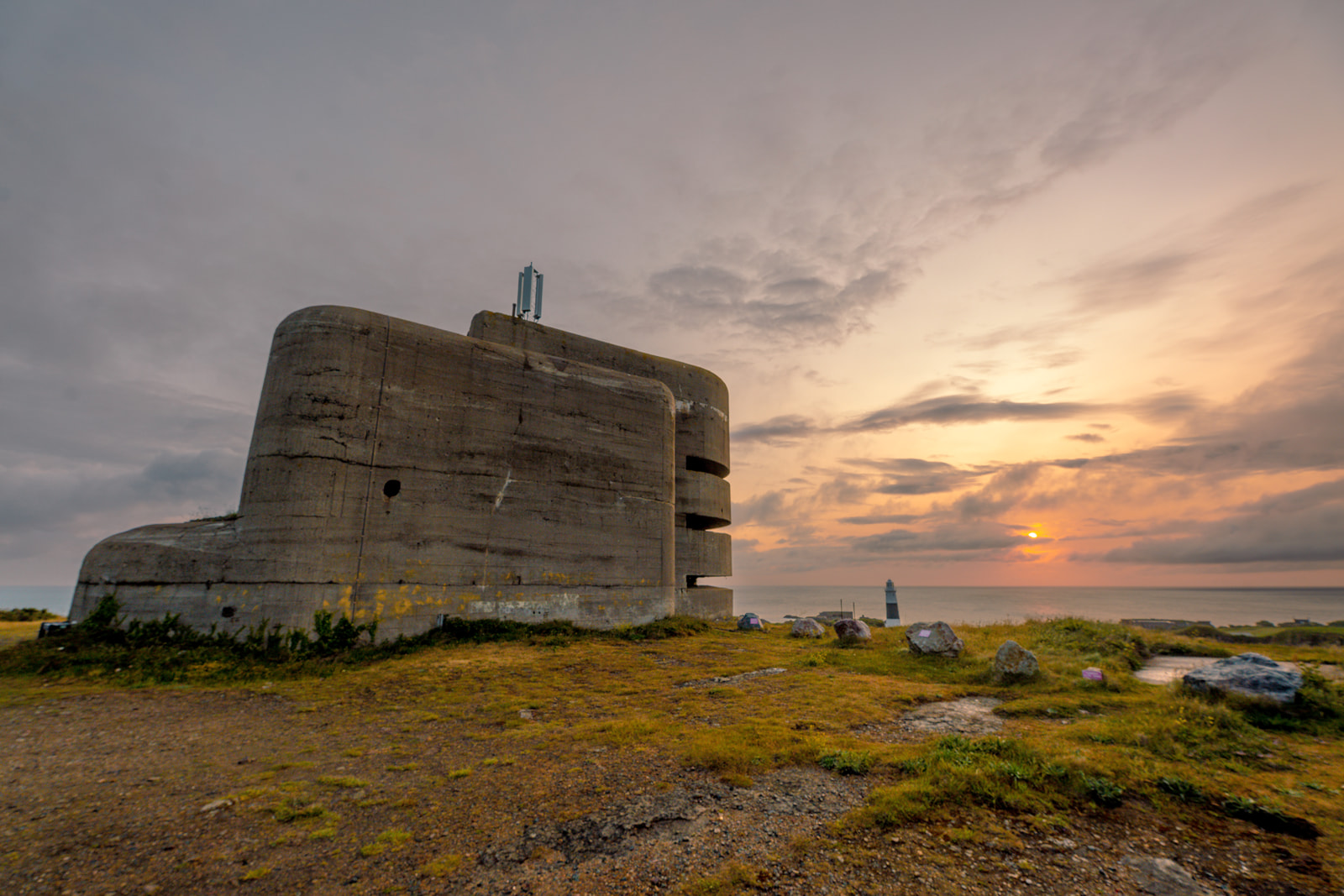
At The Odeon, the striking German naval range-finding tower, the scale of the island’s wartime defences becomes clear. Bibette Head and other surviving positions reveal further layers of this difficult period, offering a tangible connection to the events that shaped Alderney during the war.
These places tell a story that must be approached with care and respect. They are not simply military relics, but reminders of the suffering experienced by those subjected to forced labour and of the profound impact the Occupation had on Alderney and its people.
The Occupation ended in May 1945, but islanders did not begin returning home until later that year. Today, Homecoming Day remains an important part of Alderney’s living memory.
Discover: The WWII Occupation Trail, the German Hospital Bunker, The Odeon and Bibette Head.
Find the Stories Behind the Stones
Not every heritage experience involves a fort or a bunker. In St Anne, the island’s character can be discovered through its historic buildings, local collections and enduring traditions.
Alderney Museum offers an excellent introduction to the island’s past, from prehistoric discoveries to more recent history. St Anne’s Church, consecrated in 1850, is another notable landmark, recognised for its impressive Victorian architecture.
Further afield, the restored Watermill in Bonne Terre Valley connects visitors with the island’s working past and the efforts of local volunteers to preserve it for future generations.
Together, these places reveal another side of Alderney’s heritage: the everyday lives, skills and community spirit that have helped shape the island over centuries.
Discover: Alderney Museum, St Anne’s Church and the Watermill.
Make a Day of Discovering Alderney’s Heritage
One of the joys of exploring Alderney is how easily heritage can become part of a wider island adventure. Combine a visit to a historic fort with a walk along the cliffs, explore the coastline before discovering a wartime bunker, or spend a leisurely morning learning about the island’s past before enjoying the independent shops and welcoming cafés of St Anne.
The island’s compact size makes it possible to discover several different periods of history in a single day, while its coastal paths and open landscapes provide plenty of opportunities to pause and take it all in.
For help planning your explorations, browse our attractions, discover the WWII Occupation Trail and find walking routes and island maps in our Maps & Guides section.
An Island Whose History Stays With You
From prehistoric monuments to the concrete remnants of the Occupation, Alderney’s heritage is woven into the landscape. Each site reveals another part of the story, offering a deeper understanding of the island and the people who have called it home.
Whether you are a dedicated history enthusiast or simply curious about the places you visit, Alderney invites you to explore at your own pace, look beyond the obvious and discover the stories hidden in plain sight.
Come and discover the many layers of Alderney’s past. There is a remarkable story around every corner.